
Old cars are often seen as relics of the past, but their environmental impact is a pressing concern in today’s world. These vehicles typically emit higher levels of pollutants compared to their modern counterparts, contributing significantly to air pollution. The combustion engines in older cars are less efficient, burning more fuel and releasing harmful gases such as carbon monoxide, nitrogen oxides, and particulate matter into the atmosphere.
Moreover, older vehicles often lack the advanced emission control technologies that are standard in newer models. As a result, they can be responsible for a disproportionate amount of total vehicle emissions.
According to studies, a car that is over 15 years old can emit up to five times more pollutants than a new car. This stark difference highlights the urgent need for transitioning to cleaner alternatives, not just for individual benefit but for the health of our planet.
Key Takeaways
- Old cars contribute significantly to environmental pollution and poor air quality, impacting public health.
- Maintaining old vehicles can be costly due to frequent repairs and lower fuel efficiency.
- Government programs in Québec offer incentives, tax savings, and rebates to encourage scrapping old cars.
- Upgrading to newer, fuel-efficient vehicles improves safety, reduces emissions, and supports sustainable transportation.
- Recycling materials from scrapped cars promotes economic benefits and resource conservation.
The Cost of Maintaining an Old Car
While many people hold sentimental value for their old cars, the financial implications of maintaining such vehicles can be significant. As cars age, they require more frequent repairs and replacements of parts, which can quickly add up. Routine maintenance tasks like oil changes, brake replacements, and tire rotations become more complex and costly as the vehicle’s components wear down.
Additionally, finding replacement parts for older models can be challenging and expensive, leading to inflated repair bills. Beyond repair costs, older cars often suffer from decreased fuel efficiency. As engines age, they may consume more fuel to operate effectively, leading to higher gas expenses over time.
This combination of rising maintenance costs and declining fuel efficiency can make owning an old car a financial burden rather than a cost-effective choice. For many drivers, the cumulative expenses associated with keeping an old vehicle on the road can outweigh the nostalgic value it holds.
Government Incentives for Scrapping Old Cars

Recognizing the environmental and economic challenges posed by old vehicles, many governments have introduced incentives to encourage owners to scrap their aging cars. These programs often provide financial assistance or rebates for individuals who choose to trade in their old vehicles for newer, more efficient models. Such initiatives not only aim to reduce pollution but also stimulate the economy by promoting the automotive industry.
In Quebec, for instance, the government has implemented various programs that offer cash incentives for scrapping old cars. These programs are designed to make it easier for residents to transition to newer vehicles while simultaneously reducing the number of polluting cars on the road. By providing financial support, the government encourages responsible disposal of old vehicles and fosters a culture of sustainability among its citizens.
The Benefits of Upgrading to a Newer, More Fuel-Efficient Vehicle
Upgrading to a newer vehicle comes with numerous benefits that extend beyond just environmental considerations. Modern cars are designed with advanced technology that enhances fuel efficiency, significantly reducing the amount of gasoline consumed per mile driven. This not only translates into lower fuel costs for drivers but also contributes to a decrease in overall greenhouse gas emissions.
Additionally, newer vehicles often come equipped with improved safety features that protect drivers and passengers alike. Technologies such as anti-lock braking systems, electronic stability control, and advanced airbag systems have become standard in many new models. By upgrading to a newer car, drivers can enjoy peace of mind knowing they are benefiting from enhanced safety measures that older vehicles may lack.
The Safety Concerns of Driving an Old Car
| Metric | Value | Explanation |
|---|---|---|
| Average Age of Vehicles in Québec | 11.5 years | Older vehicles are more prone to breakdowns and pollution. |
| Scrapping Incentive Program | Up to 3,000 | Financial incentive offered by the government for scrapping old cars. |
| Average Fuel Efficiency Improvement | 20-30% | Newer vehicles consume less fuel, reducing costs and emissions. |
| Reduction in Greenhouse Gas Emissions | Up to 25% | Scrapping old cars helps reduce overall emissions in Québec. |
| Cost of Repairs on Old Cars | 1,200 annually | Older cars require more frequent and costly repairs. |
| Resale Value of Old Cars | Less than 1,000 | Low resale value makes scrapping a more viable option. |
| Average Annual Mileage | 15,000 km | Higher mileage increases wear and tear on older vehicles. |
Safety is a paramount concern for any driver, and older cars often fall short in this regard. As automotive technology has advanced over the years, so too have safety standards and features. Many older vehicles lack essential safety equipment such as airbags, anti-lock brakes, and electronic stability control systems that are now commonplace in modern cars.
This absence of safety features can put drivers and passengers at greater risk in the event of an accident. Furthermore, older cars may not perform as reliably as newer models due to wear and tear on critical components. Issues such as brake failure or engine malfunctions can lead to dangerous situations on the road.
For families and individuals who prioritize safety, driving an old car may not be a viable option when considering the potential risks involved.
The Economic Benefits of Scrapping Old Cars
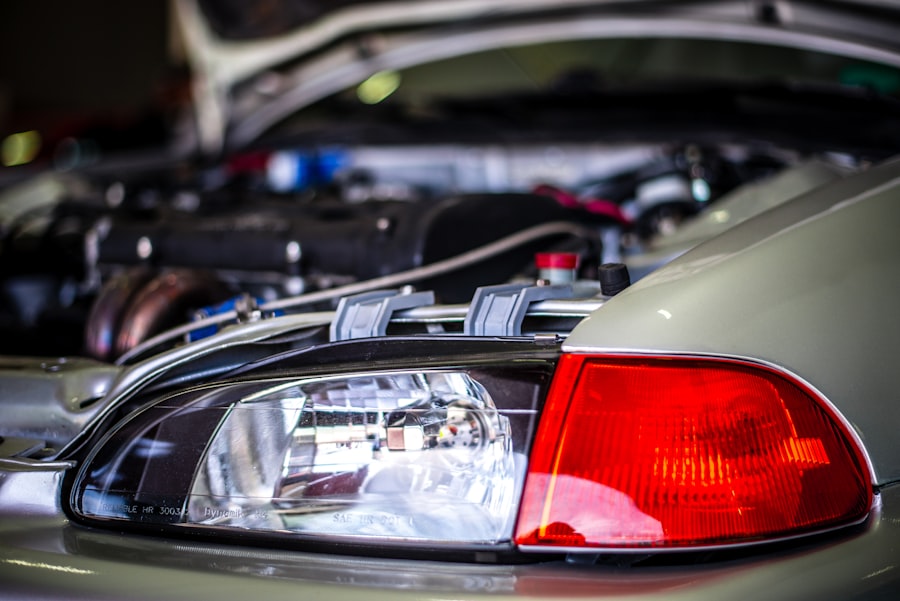
Scrapping old cars can yield significant economic benefits for both individuals and communities. For car owners, participating in scrapping programs often results in immediate financial gain through cash incentives or rebates offered by local governments or automotive organizations. This financial boost can be reinvested into purchasing a newer vehicle or used for other essential expenses.
On a broader scale, scrapping old cars contributes to job creation within the automotive industry and recycling sectors. As more individuals choose to scrap their aging vehicles, demand for new cars increases, stimulating production and sales within the automotive market. Additionally, recycling materials from old cars—such as metals and plastics—supports sustainable practices and reduces the need for new raw materials, further benefiting the economy.
The Importance of Recycling and Reusing Materials from Old Cars
Recycling and reusing materials from old cars is crucial for promoting sustainability and reducing waste. When vehicles reach the end of their life cycle, they contain valuable materials that can be repurposed rather than discarded. Metals like steel and aluminum can be melted down and reused in manufacturing new products, while plastics can be recycled into various items ranging from construction materials to consumer goods.
The recycling process not only conserves natural resources but also minimizes energy consumption associated with producing new materials. By recycling old cars, we reduce landfill waste and lower greenhouse gas emissions generated during manufacturing processes. This circular economy approach not only benefits the environment but also fosters innovation in material reuse and recycling technologies.
The Impact of Old Cars on Air Quality and Public Health
The presence of old cars on the road has a direct impact on air quality and public health. As these vehicles emit higher levels of pollutants compared to newer models, they contribute to smog formation and deteriorating air quality in urban areas. Poor air quality is linked to various health issues, including respiratory diseases, cardiovascular problems, and even premature death.
Communities with a high concentration of older vehicles may experience increased rates of asthma and other respiratory conditions among residents. Children and elderly individuals are particularly vulnerable to the effects of air pollution. By scrapping old cars and promoting cleaner transportation options, we can improve air quality and protect public health for current and future generations.
The Availability of Public Transportation and Car-Sharing Options in Québec
In Quebec, public transportation options have expanded significantly in recent years, providing residents with viable alternatives to owning a personal vehicle. Cities like Montreal offer extensive bus and metro systems that connect neighborhoods efficiently while reducing reliance on individual car travel. This shift towards public transportation not only alleviates traffic congestion but also contributes to lower emissions overall.
These services allow individuals to rent vehicles on an as-needed basis, providing flexibility without the long-term commitment of owning a car. By utilizing public transportation or car-sharing options, residents can reduce their carbon footprint while enjoying convenient access to transportation.
The Potential for Tax Savings and Rebates by Scrapping an Old Car
Scrapping an old car can lead to potential tax savings and rebates that make upgrading more financially feasible for many individuals. Various government programs offer tax credits or deductions for those who choose to dispose of their aging vehicles responsibly. These incentives can significantly offset the cost of purchasing a new car or investing in alternative transportation options.
In Quebec specifically, residents may qualify for rebates when they scrap their old vehicles through government-sponsored programs aimed at promoting cleaner transportation solutions. By taking advantage of these financial incentives, individuals can make informed decisions about their transportation needs while contributing positively to environmental sustainability.
The Future of Sustainable Transportation in Québec
As Quebec continues to prioritize sustainability in its transportation policies, the future looks promising for cleaner alternatives. The government is actively investing in electric vehicle infrastructure, including charging stations across urban areas to support the transition away from fossil fuel-powered cars. This commitment not only encourages residents to adopt electric vehicles but also aligns with global efforts to combat climate change.
Moreover, ongoing advancements in public transportation technology—such as electric buses—are paving the way for a more sustainable future in urban mobility. By fostering innovation and encouraging responsible transportation choices among its citizens, Quebec is setting an example for other regions striving towards sustainable transportation solutions. In conclusion, addressing the challenges posed by old cars is essential for promoting environmental sustainability, public health, and economic growth in Quebec.
By scrapping aging vehicles and embracing newer alternatives—whether through government incentives or innovative transportation options—individuals can contribute positively to their communities while enjoying numerous benefits themselves. It’s time to take action: consider upgrading your vehicle today for a cleaner tomorrow!
If you’re considering scrapping your old car in Québec, you might find it helpful to read about the benefits of selling or donating your vehicle in specific regions. For instance, the article on selling or donating a car in Vaudreuil provides insights into the local process and advantages, making it a great complement to understanding why scrapping your old car makes sense.
FAQs
What does scrapping a car mean in Québec?
Scrapping a car in Québec involves dismantling an old or non-functional vehicle to recycle its parts and materials. This process helps reduce environmental impact and can provide financial compensation to the owner.
Why is scrapping an old car beneficial in Québec?
Scrapping an old car helps reduce pollution by properly disposing of hazardous materials, promotes recycling of valuable metals and parts, and can free up space. Additionally, Québec offers incentives and programs to encourage vehicle scrapping, making it financially advantageous.
Are there any government programs in Québec that support car scrapping?
Yes, Québec has programs such as the “Scrap Your Car” initiative, which provides financial incentives to owners who scrap their old, polluting vehicles. These programs aim to improve air quality and promote environmental sustainability.
What types of vehicles are eligible for scrapping in Québec?
Typically, vehicles that are old, no longer roadworthy, or have high emissions are eligible for scrapping. Specific eligibility criteria may vary depending on the program or scrap yard policies.
How do I scrap my car in Québec?
To scrap a car in Québec, you can contact authorized scrap yards or participate in government programs. You will need to provide proof of ownership and may be required to complete certain paperwork. The vehicle will then be dismantled and recycled according to environmental regulations.
Can I get paid for scrapping my old car in Québec?
Yes, many scrap yards and government programs offer financial compensation based on the vehicle’s weight, condition, and eligibility. This payment helps offset the cost of scrapping and encourages owners to dispose of their vehicles responsibly.
What happens to the car after it is scrapped?
After scrapping, the vehicle is dismantled, and usable parts are salvaged for resale or recycling. Metals and other materials are processed and recycled to reduce waste and environmental impact.
Is scrapping a car environmentally friendly?
Yes, scrapping a car is environmentally friendly because it ensures hazardous materials are safely handled, reduces landfill waste, and promotes recycling of metals and parts, thereby conserving natural resources.
Do I need to remove personal belongings before scrapping my car?
Yes, it is important to remove all personal belongings and any valuables from the vehicle before scrapping, as the car will be dismantled and cannot be retrieved afterward.
Can I scrap a car that still runs?
While it is possible to scrap a running car, it is generally recommended to consider other options such as selling or donating if the vehicle is still functional. Scrapping is usually reserved for vehicles that are no longer safe or economical to repair.