When it comes to selling a junk car, understanding the various factors that influence its value is crucial. The term “junk car” often conjures images of rusted-out vehicles that have long since lost their luster. However, the reality is that even these cars can hold significant value depending on several key elements.
Factors such as the car’s make and model, its condition, and the current market demand for parts or scrap metal all play a vital role in determining how much you can expect to receive when selling your vehicle. Additionally, the geographical location where you are selling your junk car can also impact its value. For instance, certain areas may have a higher demand for specific makes or models, while others may prioritize scrap metal prices.
Understanding these nuances can help you make informed decisions and maximize your return when selling your junk car.
Key Takeaways
- The value of a junk car depends on factors like condition, make, model, year, and demand for parts.
- Researching current market prices in Montréal helps set realistic expectations for your junk car’s worth.
- Assessing the car’s condition, mileage, and wear is crucial for accurate valuation.
- Getting multiple quotes and understanding local demand and scrap metal prices can maximize your sale price.
- Ensuring legal compliance and smooth transaction processes is essential when selling your junk car in Montréal.
Researching the Current Market Value of Junk Cars in Montréal
Before you set out to sell your junk car in Montréal, it’s essential to conduct thorough research on the current market value of similar vehicles. This involves looking at various online platforms, such as classified ads, auction sites, and specialized junk car buyers. Websites like Craigslist, Kijiji, and Facebook Marketplace can provide valuable insights into what other sellers are asking for their junk cars.
Moreover, local scrap yards and auto recyclers often publish their rates for different types of vehicles. By comparing these prices, you can establish a baseline for your car’s worth. Keep in mind that market values can fluctuate based on seasonal demand and economic conditions, so staying updated on these trends will help you make a more informed decision.
Assessing the Condition of Your Junk Car
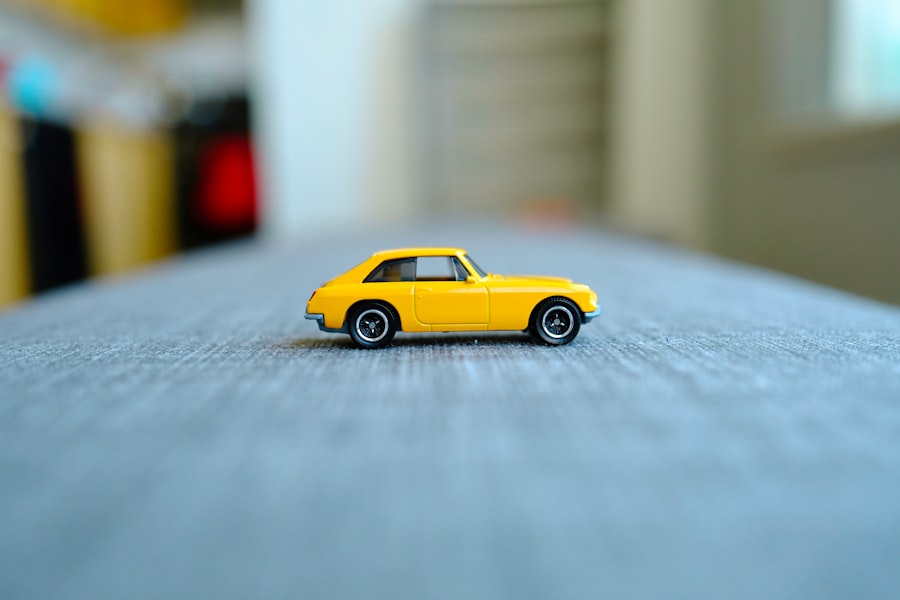
The condition of your junk car is one of the most significant factors influencing its value. A vehicle that is merely old but still operational may fetch a higher price than one that is completely non-functional. When assessing your car’s condition, consider both its mechanical and aesthetic aspects.
Are there any major issues with the engine or transmission? How does the body look? Are there significant dents, rust spots, or missing parts?
Taking detailed notes on your car’s condition will not only help you set a realistic price but also prepare you for discussions with potential buyers. If possible, consider getting a professional appraisal to gain an objective perspective on your vehicle’s worth. This step can be particularly beneficial if you’re unsure about how to evaluate your car’s condition accurately.
Determining the Make, Model, and Year of Your Junk Car
The make, model, and year of your junk car are critical components in determining its value. Certain brands and models are known for their durability and reliability, which can make them more desirable even in a junk state. For example, a Honda Civic or Toyota Corolla may have a higher resale value compared to less popular brands due to their reputation for longevity and ease of repair.
Additionally, the year of manufacture can significantly impact the availability of parts. Older models may have fewer parts available in the market, which could lower their value. Conversely, newer models might still have a demand for parts, making them more valuable even if they are no longer operational.
Therefore, it’s essential to gather this information before approaching potential buyers.
Considering the Demand for Parts from Your Junk Car
One of the most overlooked aspects when valuing a junk car is the demand for its parts. Many buyers are not interested in the vehicle as a whole but rather in specific components that can be salvaged and resold. Researching which parts are in high demand for your car’s make and model can provide insight into its potential value.
For instance, if your junk car has a functioning engine or transmission, it may attract buyers looking to repair similar vehicles. Additionally, body parts like doors, fenders, and bumpers can also be valuable if they are in good condition. Understanding this demand can help you negotiate a better price when selling your junk car.
Evaluating the Scrap Metal Value of Your Junk Car
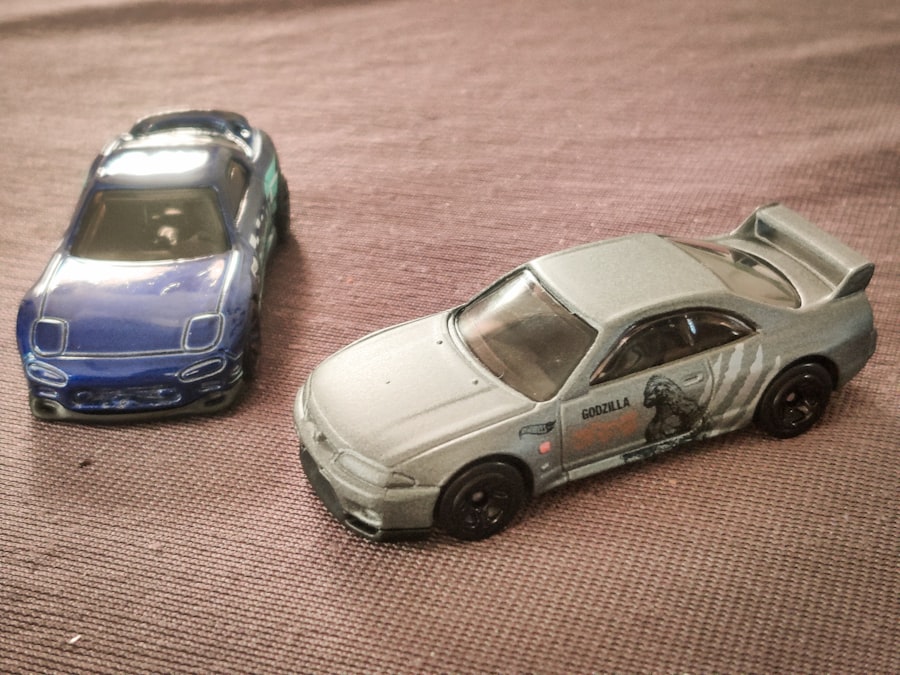
Another significant factor in determining the value of your junk car is its scrap metal content. The price of scrap metal fluctuates based on market conditions and demand from industries that utilize recycled materials. To get an accurate estimate of your car’s scrap metal value, you can check current rates at local scrap yards or recycling centers.
Typically, vehicles are made up of various metals such as steel, aluminum, and copper, each with its own market value. If your junk car is primarily composed of these metals and is stripped down to its bare essentials, it could yield a substantial return when sold for scrap. Understanding this aspect can help you make an informed decision about whether to sell your car as a whole or part it out for scrap.
Factoring in the Mileage and Overall Wear and Tear of Your Junk Car
Mileage is another critical factor that can influence the value of your junk car. Generally speaking, lower mileage indicates less wear and tear on the vehicle’s components, which can make it more appealing to potential buyers. However, even high-mileage cars can hold value if they have been well-maintained throughout their lifespan.
When evaluating your junk car’s mileage, consider how it compares to similar vehicles on the market. If your car has significantly higher mileage but has been regularly serviced and maintained, it may still attract interest from buyers looking for parts or a project vehicle. On the other hand, if the wear and tear are evident through rust or mechanical issues, this could lower its overall value.
Getting Multiple Quotes from Junk Car Buyers in Montréal
Once you have assessed all the factors influencing your junk car’s value, it’s time to reach out to potential buyers for quotes. Obtaining multiple quotes is essential as it allows you to compare offers and negotiate effectively. Different buyers may have varying criteria for valuing junk cars based on their business models and current inventory needs.
When contacting buyers, be prepared to provide detailed information about your vehicle’s condition, make, model, year, and any other relevant details. This transparency will help ensure that you receive accurate quotes that reflect your car’s true worth. Additionally, don’t hesitate to ask questions about their buying process and any fees that may be involved.
Understanding the Role of Location in Determining the Value of Your Junk Car
Location plays a significant role in determining the value of your junk car in Montréal. Different neighborhoods may have varying demands for specific makes and models based on local demographics and preferences. For instance, urban areas may have a higher demand for compact cars due to limited parking space, while suburban areas might favor larger vehicles.
Moreover, proximity to scrap yards or auto recyclers can also affect how much buyers are willing to pay for your junk car. If you live near a facility that specializes in recycling certain types of vehicles or parts, this could increase your chances of receiving a better offer. Understanding these local dynamics will help you position yourself effectively when selling your junk car.
Negotiating the Best Price for Your Junk Car in Montréal
Once you have gathered multiple quotes and assessed the market conditions, it’s time to negotiate the best price for your junk car. Effective negotiation requires confidence and knowledge about your vehicle’s worth based on all the factors discussed earlier. Start by presenting your research and any quotes you’ve received to support your asking price.
Be prepared for counteroffers and remain flexible during negotiations. If a buyer is hesitant about meeting your price, consider discussing additional incentives such as including extra parts or offering quick pickup services. The goal is to reach an agreement that satisfies both parties while ensuring you receive fair compensation for your vehicle.
Ensuring a Smooth and Legal Transaction for Selling Your Junk Car
Finally, once you’ve agreed on a price with a buyer, it’s essential to ensure that the transaction is smooth and legal. This involves preparing all necessary paperwork such as the vehicle title and bill of sale to transfer ownership officially. Make sure to check local regulations regarding selling junk cars in Montréal to avoid any legal complications.
Additionally, consider documenting the condition of your vehicle with photographs before handing it over to the buyer. This step can serve as proof of its state at the time of sale should any disputes arise later on. By following these guidelines and ensuring all legalities are addressed, you can sell your junk car with confidence while maximizing its value.
In conclusion, selling a junk car in Montréal requires careful consideration of various factors that influence its value. From understanding market conditions to assessing its condition and negotiating effectively with buyers, each step plays a crucial role in ensuring you receive fair compensation for your vehicle. By following these guidelines and conducting thorough research, you can navigate the process smoothly and achieve a successful sale.
If you’re ready to take action today, start by gathering information about local buyers and assessing your junk car’s worth!
If you’re looking to determine the value of your junk car in Montréal, you might find it helpful to read the article on how to sell or donate your vehicle. This resource provides valuable insights into the process and can help you make an informed decision. You can check it out here: How to Sell or Donate Your Car in Montréal.
FAQs
What factors determine the value of a junk car in Montréal?
The value of a junk car in Montréal depends on several factors including the car’s make, model, year, condition, and the current market price for scrap metal. Additional considerations include the presence of valuable parts, the car’s weight, and whether it can be repaired or only sold for parts.
How can I find out how much my junk car is worth in Montréal?
You can find out the value of your junk car by contacting local junkyards or scrap dealers in Montréal for quotes. Many companies also offer free online evaluations where you provide details about your vehicle to receive an estimated value.
Does the condition of the junk car affect its price?
Yes, the condition significantly affects the price. Cars that still have usable parts or can be repaired may fetch a higher price than those that are completely unusable and only valuable for scrap metal.
Are there any fees associated with selling a junk car in Montréal?
Typically, reputable junk car buyers in Montréal do not charge fees for towing or removal, but it is important to confirm this beforehand. Some buyers may offer free pickup services as part of the sale.
Is it necessary to have the car’s title to sell a junk car in Montréal?
Yes, having the car’s title or proof of ownership is usually required to sell a junk car legally in Montréal. This helps ensure the transaction is legitimate and prevents issues with ownership transfer.
Can I sell my junk car if it is not running?
Yes, most junk car buyers in Montréal will purchase vehicles regardless of whether they are running or not. Non-running cars are often sold for parts or scrap metal.
How quickly can I sell my junk car in Montréal?
The selling process can be very quick, often within a day or two, especially if you work with local junkyards or scrap dealers who offer immediate quotes and fast pickup services.
What should I do before selling my junk car in Montréal?
Before selling, remove all personal belongings, gather necessary documents like the title, and cancel your insurance. It’s also a good idea to get multiple quotes to ensure you receive the best price.