
Scrapping your vehicle in Montréal offers a multitude of benefits that extend beyond simply getting rid of an old car. One of the most significant advantages is the financial incentive. Many scrap yards and recycling facilities provide cash for scrap vehicles, allowing you to recoup some of your investment.
This can be particularly beneficial if your vehicle is no longer operational or has sustained significant damage. By choosing to scrap your vehicle, you not only free up space in your driveway or garage but also gain some extra cash that can be put towards a new vehicle or other expenses. In addition to the financial benefits, scrapping your vehicle contributes positively to the environment.
Old cars often leak harmful fluids and pollutants that can contaminate soil and water sources. By scrapping your vehicle, you ensure that it is disposed of properly, minimizing its environmental impact. Many scrap yards in Montréal follow strict regulations regarding the recycling of vehicles, ensuring that hazardous materials are handled safely and responsibly.
This means that by scrapping your vehicle, you are playing a part in promoting sustainability and protecting the environment for future generations.
Key Takeaways
- Scrapping your vehicle in Montréal offers environmental and financial benefits.
- Proper preparation and documentation are essential for a smooth scrapping process.
- Choosing a reliable towing service and responsible scrap yard ensures safe and efficient vehicle removal.
- Hazardous materials must be disposed of correctly to protect the environment.
- You can receive compensation and explore options to donate or sell parts of your scrap vehicle.
How to Prepare Your Vehicle for Scrapping
Preparing your vehicle for scrapping is a crucial step that can streamline the process and maximize your compensation. Start by removing all personal belongings from the car, including any valuable items such as electronics, documents, or personal effects. It’s essential to thoroughly check every compartment, including the glove box and trunk, to ensure nothing is left behind.
This not only protects your privacy but also makes the scrapping process smoother for both you and the scrap yard. Next, consider removing any non-metal parts that may have value. Items such as batteries, tires, and catalytic converters can often be sold separately for a higher price than what you would receive for the entire vehicle.
Additionally, if your car has aftermarket parts or accessories, these can also be removed and sold individually. By taking the time to prepare your vehicle properly, you can increase your overall return while also making the scrapping process more efficient.
Finding a Reliable Towing Service in Montréal
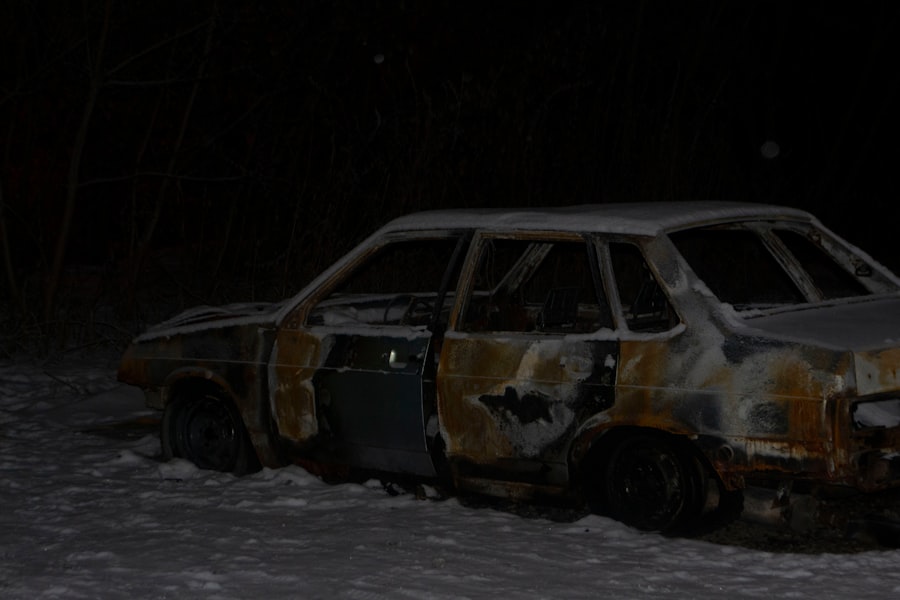
Once you have prepared your vehicle for scrapping, the next step is to find a reliable towing service in Montréal. A trustworthy towing company will not only transport your vehicle safely but also ensure that it reaches a reputable scrap yard. Start by researching local towing services online and reading customer reviews to gauge their reliability and professionalism.
Look for companies that specialize in scrap vehicle removal, as they will have the necessary experience and equipment to handle the job effectively. When contacting towing services, inquire about their rates and any additional fees that may apply. Some companies offer free towing as part of their scrap vehicle removal service, while others may charge a fee based on distance or vehicle condition.
It’s essential to clarify these details upfront to avoid any surprises later on. Additionally, ask about their availability and response times; a reliable towing service should be able to accommodate your schedule and provide prompt service.
Understanding the Scrap Vehicle Removal Process
The scrap vehicle removal process in Montréal typically involves several key steps that ensure a smooth transition from ownership to disposal. Once you have selected a scrap yard and arranged for towing, the first step is usually an assessment of your vehicle’s condition. The scrap yard will evaluate its value based on factors such as make, model, age, and overall condition.
This assessment will determine how much compensation you will receive for your vehicle. After the assessment, the next step involves completing the necessary paperwork. This usually includes transferring ownership of the vehicle to the scrap yard and providing proof of identity.
It’s important to have all required documents ready to expedite the process. Once everything is finalized, the towing service will transport your vehicle to the scrap yard, where it will be dismantled and recycled according to environmental regulations. Understanding this process can help alleviate any concerns you may have about scrapping your vehicle and ensure that everything goes smoothly.
Ensuring Proper Disposal of Hazardous Materials
One of the critical aspects of scrapping a vehicle is ensuring the proper disposal of hazardous materials. Vehicles contain various fluids and components that can be harmful to the environment if not handled correctly. Common hazardous materials include oil, coolant, brake fluid, and batteries.
When scrapping your vehicle, it’s essential to choose a scrap yard that adheres to environmental regulations regarding hazardous waste disposal. Reputable scrap yards in Montréal are equipped to handle these materials safely. They follow strict protocols for draining fluids and disposing of hazardous components in compliance with local laws.
By selecting a responsible scrap yard, you can rest assured that your vehicle will be dismantled in an environmentally friendly manner, minimizing its impact on the planet. This commitment to proper disposal not only protects local ecosystems but also contributes to a more sustainable future.
Receiving Compensation for Your Scrap Vehicle
When it comes to scrapping your vehicle in Montréal, understanding how compensation works is vital. The amount you receive for your scrap vehicle can vary based on several factors, including its weight, make, model, and condition. Generally, scrap yards pay by weight; therefore, heavier vehicles may yield higher compensation.
However, certain parts may also have additional value, so it’s worth discussing these details with the scrap yard before finalizing the deal. To maximize your compensation, consider obtaining quotes from multiple scrap yards before making a decision. This allows you to compare offers and choose the one that provides the best value for your vehicle.
Additionally, be sure to inquire about any potential fees associated with the scrapping process; some yards may deduct costs for towing or processing from your final payout. By being informed and proactive about compensation, you can ensure that you receive a fair return for your scrap vehicle.
The Environmental Impact of Scrapping Your Vehicle
Scrapping your vehicle has significant environmental implications that are often overlooked. When old cars are left abandoned or improperly disposed of, they can release toxic substances into the environment, contributing to soil and water pollution. By choosing to scrap your vehicle responsibly, you are actively participating in reducing this environmental threat.
Scrap yards play a crucial role in this process by recycling materials such as metal, glass, and plastic from vehicles. Recycling these materials not only conserves natural resources but also reduces energy consumption associated with manufacturing new products. For instance, recycling steel from old cars saves approximately 74% of the energy required to produce new steel from raw materials.
Furthermore, responsible scrapping helps prevent hazardous materials from entering landfills or contaminating local ecosystems. By understanding the environmental impact of scrapping your vehicle, you can feel confident that you are making a positive contribution to sustainability.
Choosing a Responsible Scrap Yard in Montréal
Selecting a responsible scrap yard is essential for ensuring that your vehicle is disposed of properly and ethically. Start by researching local scrap yards and looking for those with positive reviews and a solid reputation within the community. A responsible scrap yard should be licensed and comply with local environmental regulations regarding vehicle disposal.
Additionally, consider visiting the scrap yard in person if possible. This allows you to assess their operations firsthand and ask questions about their processes for handling hazardous materials and recycling components. A reputable scrap yard will be transparent about their practices and willing to provide information on how they ensure environmentally friendly disposal methods.
By taking the time to choose a responsible scrap yard, you can have peace of mind knowing that your vehicle will be handled appropriately.
The Importance of Proper Documentation for Vehicle Scrapping
Proper documentation is a crucial aspect of scrapping your vehicle in Montréal. Before you can hand over your car to a scrap yard, you must ensure that all necessary paperwork is in order. This typically includes proof of ownership, such as the vehicle title or registration documents, as well as identification to verify your identity.
Having these documents ready not only expedites the scrapping process but also protects you legally. It ensures that you are transferring ownership correctly and prevents any potential disputes regarding the vehicle’s status after it has been scrapped. Additionally, some scrap yards may require specific forms or documentation related to environmental compliance; being prepared with all necessary paperwork can help avoid delays or complications during the process.
Options for Donating or Selling Parts of Your Scrap Vehicle
If you’re looking to maximize value from your old car before scrapping it, consider donating or selling parts instead of scrapping it whole. Many components of vehicles retain value even after they are no longer operational; items such as engines, transmissions, wheels, and electronics can often be sold individually or donated to charities that accept car parts. Selling parts online through platforms like eBay or local classifieds can yield significant returns if you have valuable components available.
Alternatively, donating parts can benefit local charities or organizations that refurbish vehicles for those in need while providing you with potential tax deductions. Exploring these options allows you to make the most out of your old vehicle while contributing positively to others in your community.
Frequently Asked Questions about Scrapping Your Vehicle in Montréal
As with any process involving significant decisions like scrapping a vehicle, many individuals have questions about what to expect. One common inquiry revolves around whether it’s worth scrapping an old car versus attempting repairs; often, if repair costs exceed the car’s value or if it has extensive damage, scrapping becomes a more viable option.
Additionally, many people wonder about potential fees associated with scrapping; while some yards offer free towing services, others may charge based on distance or condition—it’s always best to clarify these details upfront. In conclusion, scrapping your vehicle in Montréal presents numerous benefits ranging from financial compensation to environmental sustainability.
If you’re considering scrapping your old car, take action today—contact local scrap yards or towing services to begin this beneficial journey!
If you’re considering scrapping your vehicle in Montréal, you might find it helpful to read about the various options available for vehicle disposal. For instance, you can check out this article on selling or donating your car in Boisbriand, which provides insights into alternative ways to handle your old vehicle while also benefiting others.
FAQs
What types of vehicles can I scrap in Montréal?
You can scrap most types of vehicles in Montréal, including cars, trucks, motorcycles, vans, and SUVs. The vehicle typically needs to be no longer roadworthy or economically repairable.
Is there a fee for towing my vehicle when I scrap it in Montréal?
No, many scrap vehicle services in Montréal offer free towing as part of their vehicle scrapping process, making it convenient and cost-effective for you.
What documents do I need to scrap my vehicle in Montréal?
You generally need to provide proof of ownership, such as the vehicle’s registration or title, and a valid ID. Some services may also require a signed release form to transfer ownership.
How long does the vehicle scrapping process take?
The process can vary, but many companies offer same-day or next-day service for vehicle pickup and scrapping once all necessary documents are provided.
Will I receive any payment for scrapping my vehicle?
Yes, many scrap yards offer cash or payment based on the weight and condition of your vehicle. The amount varies depending on current scrap metal prices and the vehicle’s condition.
Is scrapping my vehicle environmentally friendly?
Yes, scrapping your vehicle through authorized services ensures that hazardous materials are properly disposed of and recyclable parts are salvaged, reducing environmental impact.
Can I scrap a vehicle that is not running?
Yes, non-running or immobile vehicles can be scrapped. Free towing services often make it easier to dispose of vehicles that cannot be driven.
Do I need to remove personal belongings before scrapping my vehicle?
Yes, it is important to remove all personal items from your vehicle before it is towed and scrapped, as the scrap yard is not responsible for lost or forgotten belongings.
How do I schedule a free towing service for scrapping my vehicle in Montréal?
You can schedule free towing by contacting a local scrap vehicle service directly via phone or their website. They will arrange a convenient pickup time and provide instructions for the process.
Is scrapping a vehicle in Montréal regulated by the government?
Yes, vehicle scrapping in Montréal is regulated to ensure proper disposal and recycling. Authorized scrap yards comply with environmental and safety regulations set by municipal and provincial authorities.